Stay
Where to Stay
Compare areas and find the right base for your plans.
Guide coming soonMahé is the main gateway to Seychelles, but treating it simply as the island with the international airport would be a mistake. It combines beaches, tropical mountains, Creole communities, Victoria, marine parks, restaurants and the widest range of practical services in the country.
Mahé is the main gateway to Seychelles, but treating it simply as the island with the international airport would be a mistake. It combines beaches, tropical mountains, Creole communities, Victoria, marine parks, restaurants and the widest range of practical services in the country. This guide explains how the island works and how to plan the broad shape of your stay.
Yes. Mahé is particularly useful for first-time visitors and families, for travellers who want beaches alongside practical services, and for anyone interested in hiking, restaurants or exploring by car. It offers the widest accommodation choice in the country and works for short stays, longer stays and for combining several Seychelles islands.
Mahé also feels different depending on where you base yourself, so it isn't one single resort destination. Victoria is the working capital; Beau Vallon is the busiest beach area; North Mahé mixes coves and coastline; the east coast is more residential; South Mahé and the south-west feel quieter and greener; and the west coast around Port Launay is sheltered and scenic. Where you stay shapes the whole trip.
| Main city | Victoria (the capital of Seychelles) |
|---|---|
| Main international gateway | Seychelles International Airport, on Mahé |
| Best known for | Beaches, mountains, Creole culture, restaurants, hiking and access to marine parks |
| Good for | Families, couples, independent travellers and first-time Seychelles visitors |
| Transport | Public bus, rental car, taxi and private transfer |
| Accommodation | Resorts, hotels, guesthouses, apartments and villas |
Distances on Mahé look short on a map, but road travel varies considerably with location, traffic, terrain and time of day, so it's best not to judge journeys by distance alone.
One day gives only a very limited overview. Two days allows some highlights but feels rushed. Three to four days is a good introduction. Five to seven days is much better for beaches, hiking, Victoria, food and slower exploration. Longer stays suit travellers using Mahé as their main Seychelles base.
Seychelles International Airport is on Mahé, and most international visitors enter the country here. From Mahé you can continue to Praslin, La Digue and the smaller islands by ferry (Cat Cocos) from the Victoria area, or by a short domestic flight to Praslin.
Flight and ferry schedules change, so treat any timetable as something to confirm rather than a permanent fact. Check current times before travelling, and allow enough time for connections. Useful official sources include the Seychelles Airports Authority and Air Seychelles. For entry formalities, see the Seychelles Electronic Border System and our visa & eBorder guide.
Mahé looks compact, but getting around often takes longer than first-time visitors expect. The best option depends on where you stay, how many beaches you want to reach and how comfortable you are driving on the left.
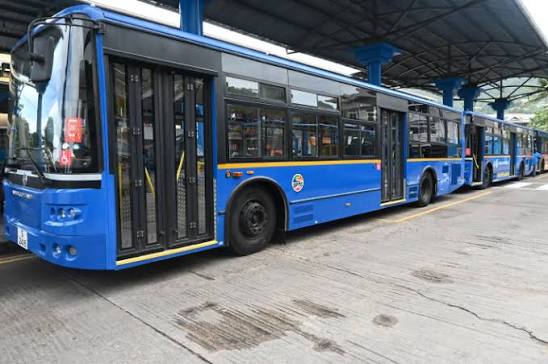
Mahé's public buses, run by the Seychelles Public Transport Corporation (SPTC), are one of the most affordable ways to see the island and a good option for budget-conscious travellers who are happy with a slower pace.
Cash is not the normal payment method. You pay with an SPTC Travel Card or the SPTC mobile app, so it's worth understanding this system before you travel rather than expecting to hand cash to the driver. When using the app, you generate the appropriate QR code and it is scanned on the bus reader. On many buses the QR scanner or camera sits toward the lower part of the reader, so hold your screen there and make sure the payment has registered. A ticket may be issued after payment — keep it for the journey.
Buses are genuinely useful, but not ideal in every situation. Some routes are very practical; frequency depends on the route and time of day; Sunday and public-holiday services may differ; and evening services can be less convenient. Reaching some beaches still means walking from the bus stop, and large luggage is impractical on buses. Visitors arriving at the airport with large suitcases should normally consider a taxi, transfer or rental car rather than planning their arrival around a bus. Mobile data helps when using app-based transport information. Buses do not go directly to every attraction. For more detail, see our Mahé public bus guide .
Driving is on the left. Many roads are narrow, hilly and curving, sometimes steep, occasionally close to open drainage channels, and less illuminated away from populated areas. A compact automatic car is convenient for many visitors.
Before you drive off, check the insurance, fuel policy, existing damage, licence requirements, tyres, air conditioning, deposit conditions and an emergency contact, and photograph the vehicle first. Driving after dark can feel more challenging for first-time visitors, so take it gently rather than worrying unduly. See our driving in Seychelles guide for more.
Taxis are useful for airport transfers, dinner, one-way journeys, evening travel and for visitors without a rental car. Pricing arrangements vary, so if a fare hasn't already been agreed, clarify the approximate cost or pricing before the trip begins.
Walking works well within selected areas — parts of Victoria and Beau Vallon, for example — but Mahé is not a fully walkable island. Heat, hills, narrow roads, limited pavements in some places and the distances between beaches and accommodation all make walking impractical for longer trips.
Cycling is not generally the main way visitors explore Mahé, because of the hills, traffic, road width and heat. Experienced, well-prepared cyclists may still enjoy parts of the island, but it isn't a substitute for other transport here.
Your location affects how easily you can reach beaches, restaurants and transport. Compare accommodation across Mahé before deciding which part of the island suits your plans.
Some accommodation links on this page are Expedia affiliate links. If you book through them, Hello Seychelles may earn a commission at no additional cost to you. Our guidance stays independent.
Explore Places to Stay on MahéThe right area depends on your priorities, so it helps to understand the main areas rather than a long list of hotels. No single area is best for everyone.
One of the most practical tourist bases on Mahé, with relatively easy access to the beach, restaurants, accommodation, shops, transport and activities. It suits first-timers and travellers without a car. It is busier than quieter districts, parking can be tight, and it isn't the place for total seclusion. Swimming and sea conditions still vary day to day, so it isn't universally a calm swimming beach.
Staying near Victoria suits visitors prioritising practical services, markets, shopping, transport connections, business travel or short stays. It offers a different atmosphere from a beach-resort base.
A modern marina and residential area near Victoria and the airport, convenient for logistics, dining and ferry departures. It feels different from a traditional Seychellois village or a natural coastal beach.
Appeals to travellers wanting a more local atmosphere, with beach access, restaurants and shops, and a good base for exploring the east and south. A car is still useful for wider exploration.
Quieter and more spread out, with green scenery and attractive coves. A rental car can be particularly useful here depending on where you stay, and there are fewer restaurants within walking distance.
Explore stays in South Mahé & Takamaka
Known for sheltered beaches, mountain scenery, marine areas and resort accommodation, but more isolated, with fewer independent restaurants nearby. Park and marine-area access can carry fees that change, so check current requirements rather than relying on fixed prices.
A mix of coves and coastline north of Beau Vallon, quieter than the main bay, usually easiest with a car.
For more detail, see our where to stay on Mahé and best hotels on Mahé guides.
Luxury resorts offer beachfront settings, full-service dining, spas, pools and privacy, at a higher price and sometimes more isolated from independent restaurants. Guesthouses and affordable stays bring local hosts, better value and a residential feel, though facilities are simpler and "affordable" is relative in Seychelles. Private villas and apartments give space, privacy and self-catering for families and longer stays, but often need a car and a check on road access, stairs and how walkable the nearest beach really is.
Weigh location, style and budget side by side before you book.
Compare Accommodation on MahéThis is an overview rather than the full beach guide. Whichever beach you choose, conditions depend on wind, swell, season, tide and recent weather, and not every beach is always suitable for swimming.
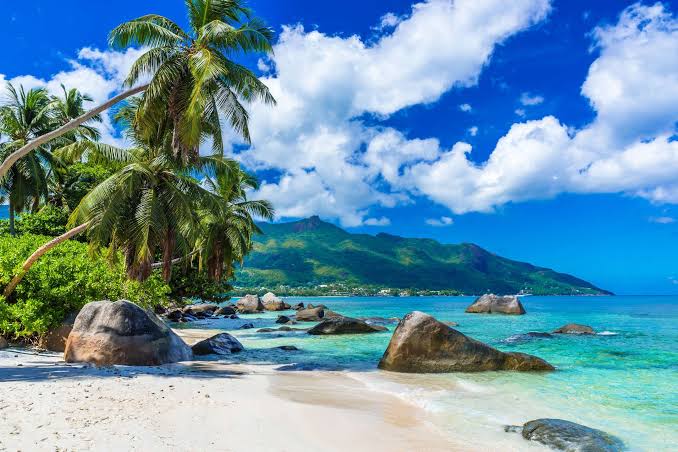
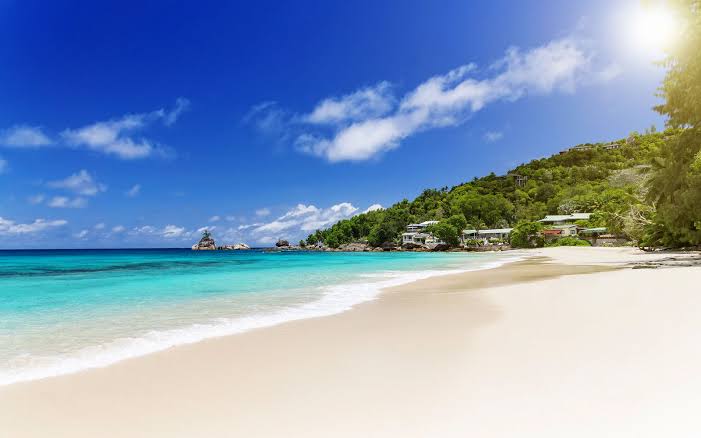
Beau Vallon is the most serviced and accessible, good for families and convenience when conditions are calm. Anse Royale is a relaxed east-coast beach popular with local families. Anse Intendance is dramatic and beautiful, but its waves and currents can sometimes be strong, so it suits scenery and walking more than casual swimming. Port Launay is sheltered and sits within a wider marine-area context, good for calmer water and snorkelling. Anse Takamaka and selected quieter south-western coves reward a scenic drive. Check the conditions before entering the water and ask locally if unsure.
Detailed beach-by-beach advice on swimming, snorkelling, families and facilities.
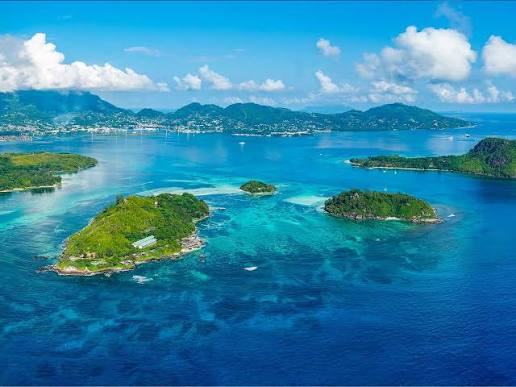
Full guide coming soon.Beyond the beaches, Mahé offers plenty. Explore Victoria and the Sir Selwyn Selwyn-Clarke Market; hike in Morne Seychellois National Park; take a boat trip to Sainte Anne Marine National Park for snorkelling; enjoy the beaches, local food and scenic drives; and visit the National Botanical Garden and other nature spots where they fit your route.
Compare boat trips to Sainte Anne, snorkelling excursions and guided experiences around Mahé, and reserve ahead in busy periods.
Explore Mahé Tours & ExcursionsSome trails and parks have access rules or fees that can change, and certain routes may require an authorised guide. Check current requirements with the Seychelles Parks and Gardens Authority and its visitor information before you go. For more, see our things to do on Mahé guide .
Victoria is the capital of Seychelles and the island's practical centre — home to the market, shops, everyday services, banks and ATMs, cafés, government and business offices, and the main transport connections. It's easy to explore on foot, but think of it as a compact town rather than a large metropolitan city.
Rather than a ranking, it helps to know the range. Creole takeaways and casual local restaurants offer generous, good-value plates; beach restaurants and hotel or resort dining sit at the higher end; there are some international options, plus markets and self-catering. Eating at a local takeaway is often very different from resort dining in both style and cost. Menus depend on fresh ingredients, kitchens can close earlier than European visitors expect, and Sunday and holiday hours vary, so it's worth checking ahead. See our best restaurants on Mahé guide .
For bottled drinks, snacks, groceries, sunscreen, toiletries, basic pharmacy items, SIM/data, cash and everyday supplies, the widest choice is around Victoria, with useful options at Beau Vallon and Anse Royale and smaller shops in the villages. Larger supermarkets carry more, while village shops are handy for basics; self-catering visitors should stock up before heading to isolated accommodation. Opening hours can be shorter or different on Sundays and public holidays — but not everything closes, so check locally.
The currency is the Seychelles Rupee (SCR). Cards are widely useful in tourism-related businesses, and ATMs are available in the main populated areas, but some smaller transactions still benefit from cash, and not every small establishment accepts every international card.
A local SIM or data plan is genuinely useful on Mahé — for navigation, WhatsApp, transport apps, contacting restaurants and accommodation, checking the weather and confirming opening hours. Coverage is good in populated coastal areas but can be weaker in mountainous and remote spots, so download offline maps for hikes and quiet coves.
Treated public water is supplied in Seychelles. Some visitors still prefer filtered or bottled water because of taste, personal sensitivity, accommodation plumbing or temporary supply interruptions. It's a personal choice — ask your accommodation about its water storage and current local conditions.
Mahé has a warm tropical climate with quick-changing showers, a trade-wind influence and noticeably localised weather — conditions can differ between the coast and the mountains, or from one side of the island to another. A forecast showing rain doesn't necessarily mean cancelling plans; showers often pass quickly. See the Seychelles Meteorological Authority and our best time to visit guide.
Mahé has the country's broadest access to healthcare and pharmacies. This is only a brief overview — for detail see our guides on healthcare and pharmacies, medical care for tourists and what to do if you get sick in Seychelles . We don't provide individual medical advice here.
Travelling with children works well with a little planning. Think about accommodation location, daily beach conditions (not every beach is calm), car seats, heat and shade, food availability, transport, access to medical services and a gentle daily pace. Calmer, serviced beaches and a walkable base make family days easier.
Mahé isn't only a family destination. Couples can combine quiet accommodation, good restaurants, beautiful beaches, sunset drives, spa experiences and day trips — particularly on the calmer south and west coasts. See our Seychelles honeymoon guide .
It's entirely possible to enjoy Mahé without a car, but accommodation choice becomes critical. Favour Beau Vallon or areas with restaurants within walking distance, good bus access, taxi availability and nearby groceries.
A few things tend to surprise first-time visitors, in a good-natured way. Distances look shorter on maps than they can feel on Mahé's roads. Not every beach has toilets, showers or restaurants. Weather can differ from one side of the island to another. Mobile data is extremely useful, and restaurant hours vary. Public buses require understanding the payment system, and large luggage and buses are a poor combination. A rental car changes the experience significantly. Seychellois Creole conversations may sound very animated to unfamiliar ears, evening transport needs more planning, and some parks or attractions have access rules or fees that can change.
These are starting points, not the only correct plans, and they're arranged with geography in mind so you're not constantly driving from one end of the island to the other.
One day: Victoria and its market in the morning, then Beau Vallon for the afternoon, sunset and dinner.
Two days: Day one in the north — Victoria and Beau Vallon; day two exploring the south and south-east, with a beach stop chosen to suit the day's conditions.
Three to four days: add the west coast, a suitable hike and a marine experience such as a Sainte Anne snorkelling trip, keeping one relaxed beach day and some flexibility for weather.
For a full multi-island week, see our 7-day Seychelles itinerary, and to weigh islands, our Mahé vs Praslin comparison.
Compare areas and find the right base for your plans.
Guide coming soonSwimming, snorkelling, families and conditions, beach by beach.
Guide coming soonVictoria, hikes, marine parks and scenic drives.
Guide coming soonCreole takeaways, casual dining and where to eat.
Guide coming soonSee what's available across Mahé and check current options for your dates.
View Current Accommodation Options on Mahé